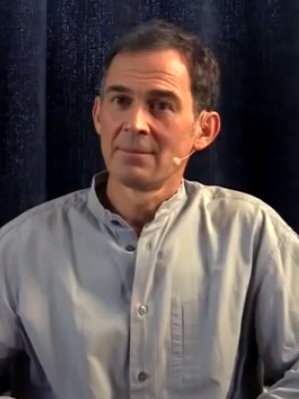
The Path to Inner Peace: Recognizing Our True Being
Rupert Spira's assertion that "the most reliable path to peace is to recognise our own being" invites us to explore the profound depths of our existence. In a world often characterized by chaos and distraction, this statement serves as a gentle reminder that true tranquility lies not in external circumstances but within our own awareness. By turning our attention inward and acknowledging our essence, we can cultivate a lasting sense of peace that transcends the ephemeral nature of life’s challenges.
This recognition of our own being is not merely an intellectual exercise; it is an invitation to experience a fundamental shift in our perception of self and reality. As we delve into the layers of our consciousness, we begin to understand that our true nature is not separate from the world around us. Instead, it is an integral part of a greater whole, a realization that can lead to profound inner stillness and harmony. This exploration is essential, for it is through this journey inward that we can navigate the complexities of life with grace and equanimity.
The image / the metaphor
The imagery embedded in Spira's quote evokes a sense of journey and discovery. The term "recognise" suggests an unveiling, a peeling back of layers that obscure our true self. It implies that peace is not something to be sought externally but rather something inherent within us, waiting to be acknowledged. The phrase "our own being" emphasizes the personal nature of this exploration, inviting each individual to embark on their unique path toward self-awareness and serenity.
In the speaker's tradition
Rupert Spira's teachings are deeply rooted in the non-dual tradition, which emphasizes the interconnectedness of all existence. Concepts such as "advaita" (non-duality) and "sunyata" (emptiness) resonate with the essence of his message. In this framework, the recognition of our own being is not merely a personal endeavor; it is a realization of our unity with all that is. This understanding invites us to dissolve the boundaries that separate us from others and the world, fostering a sense of compassion and love that is essential for true peace.
In the context of non-dual philosophy, we can draw parallels to the teachings found in texts such as the Upanishads, which explore the nature of the self and its relationship to the divine. The phrase "Tat Tvam Asi," meaning "You are That," encapsulates the essence of this recognition, affirming that our individual being is not separate from the universal consciousness. By embracing this truth, we can cultivate a deeper understanding of ourselves and our place in the cosmos, ultimately leading us to the peace that Spira speaks of.
Living the teaching
Consider a modern scenario where the pressures of work and family life create a sense of overwhelm. In such moments, it is easy to become consumed by external demands, losing sight of our inner peace. By applying Spira's teaching, one might take a step back, close their eyes, and engage in a brief meditation, focusing on the breath and the essence of their being. This simple act of recognition can serve as a powerful anchor, allowing the individual to reconnect with their true self and navigate the chaos with a renewed sense of calm.
In the realm of relationships, the practice of recognizing our own being can transform interactions with others. When faced with conflict or misunderstanding, we can pause and reflect on our own feelings and motivations, rather than reacting impulsively. By grounding ourselves in our essence, we cultivate empathy and understanding, allowing for more compassionate communication. This practice not only fosters peace within ourselves but also nurtures harmonious connections with those around us, creating a ripple effect of tranquility in our shared experiences.
A reflection
As we contemplate Spira's profound insight, we are invited to ask ourselves: What does it mean to truly recognize my own being? This question encourages us to explore the depths of our consciousness and to consider the ways in which we may have overlooked our inherent peace. In this exploration, we may uncover insights that lead us to a more profound understanding of ourselves and our relationship with the world, ultimately guiding us toward the peace that lies within.



Join the BrightStar Community
Stay connected with daily inspiration, event announcements, and community wisdom