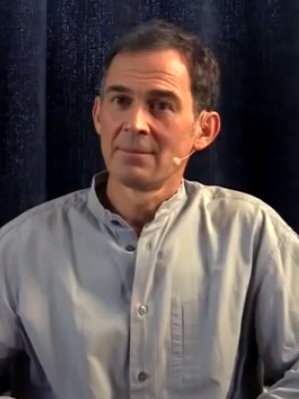
The Liberation of Self: Embracing the End of Suffering
Rupert Spira's assertion that "the end of suffering is the recognition of self" invites us to explore the profound connection between our understanding of self and the alleviation of our existential pain. This statement suggests that suffering is not merely an external condition but rather a reflection of our internal misperceptions. By recognizing our true nature, we can transcend the limitations that bind us to suffering, opening the door to a more expansive experience of life. This recognition is not just an intellectual exercise; it is a transformative journey that can reshape our very existence.
To delve deeper into this quote, we must consider what it means to "recognize self." This recognition is not about identifying with the ego or the myriad roles we play in our lives; rather, it is about uncovering the essence of who we are beyond these transient identities. The stakes are high, for in this recognition lies the potential for profound peace and liberation. The journey toward understanding the self is both personal and universal, as it speaks to the core of human experience and the quest for meaning amidst suffering.
The image / the metaphor
At its core, Spira's quote evokes a powerful image of awakening. The term "recognition" implies a moment of clarity, a sudden illumination that dispels the shadows of confusion and suffering. It suggests a process of unveiling, where layers of misunderstanding are peeled away to reveal the true self that has always been present. This imagery resonates deeply with the experience of enlightenment, where one moves from darkness into light, from ignorance into understanding. The verbs chosen—"end" and "recognition"—convey a sense of action and resolution, indicating that the cessation of suffering is not a passive state but an active engagement with one's own nature.
Delving deeper into the metaphor, we can see that suffering is often rooted in our attachment to a false sense of self, one that is constructed from societal expectations, past traumas, and future anxieties. The recognition of self, then, becomes a liberating act of disidentification. It is akin to shedding a heavy cloak that no longer serves us, allowing us to stand in the light of our true essence. This metaphor of shedding and unveiling invites us to consider what we might discover if we dare to look beyond the surface of our conditioned identities.
In the speaker's tradition
Rupert Spira's teachings are deeply rooted in the non-dual tradition, which emphasizes the interconnectedness of all existence and the illusion of separation. Concepts such as *advaita* (non-duality) and *sunyata* (emptiness) resonate with the idea that our suffering arises from a mistaken belief in a separate self. In this context, the recognition of self is not merely an individual endeavor; it is a collective awakening to the underlying unity of all beings. This perspective aligns with the teachings of sages like Ramana Maharshi, who emphasized self-inquiry as a means to dissolve the ego and realize one's true nature.
In the *Upanishads*, a foundational text of non-dual philosophy, the quest for self-knowledge is articulated through the famous phrase "Tat Tvam Asi," meaning "That Thou Art." This declaration encapsulates the essence of Spira's message: the realization that our true self is not distinct from the universal consciousness. By recognizing this profound truth, we can begin to dismantle the barriers that perpetuate our suffering, allowing us to experience the fullness of life as it is meant to be lived.
Living the teaching
Consider a modern scenario where this teaching might resonate: a person grappling with chronic anxiety. They may find themselves caught in a cycle of worry, feeling trapped by their thoughts and emotions. In this context, the recognition of self can serve as a powerful antidote. By turning inward and exploring the nature of their thoughts—understanding that they are not the sum of their anxieties but rather the observer of these thoughts—they can begin to cultivate a sense of peace. This shift in perspective allows them to step back from their suffering, recognizing it as a temporary state rather than an inherent aspect of their being.
Another application of this teaching can be found in interpersonal relationships. Imagine a conflict arising between two friends, where misunderstandings and hurt feelings create a rift. By applying the principle of self-recognition, each individual can take a step back to examine their own reactions and projections. Instead of blaming the other, they can inquire into their own feelings and motivations, recognizing that their suffering is often rooted in their perceptions rather than the actions of the other. This practice of self-inquiry fosters compassion and understanding, paving the way for healing and reconciliation.
A reflection
As we contemplate the profound implications of Spira's quote, we are invited to engage in a reflective inquiry: What aspects of my identity do I cling to that may be perpetuating my suffering? This question encourages us to explore the layers of our self-concept and consider how they shape our experiences. In this exploration, we may discover that the path to liberation lies not in external circumstances but in the recognition of our true self, which transcends the transient nature of our thoughts, emotions, and experiences.



Join the BrightStar Community
Stay connected with daily inspiration, event announcements, and community wisdom